I. Introduction
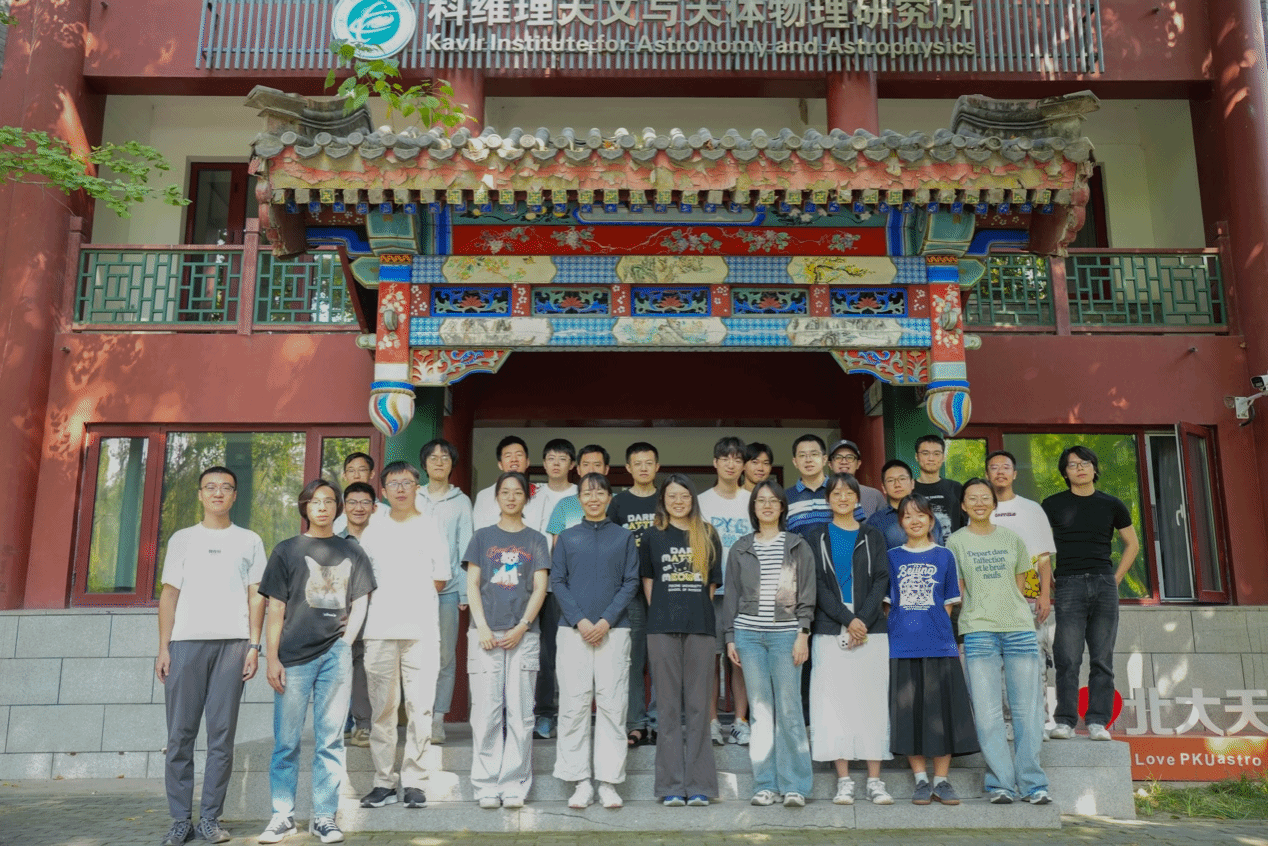
They work on the same floor and share the same coffee machine, yet often can't say what the group next door actually studies. On 23 September 2026, the 1st Peking University Graduate Forum on Astronomy and Astrophysics was held in the auditorium of the Kavli Institute for Astronomy and Astrophysics (KIAA) at Peking University. Hosted by the PKU Center for High-Level Talent Training in Physics and organised by a graduate student committee, the forum took the theme “What Are The Other Groups Doing?” and spent a full day laying out the research going on across the building.
II. The Forum
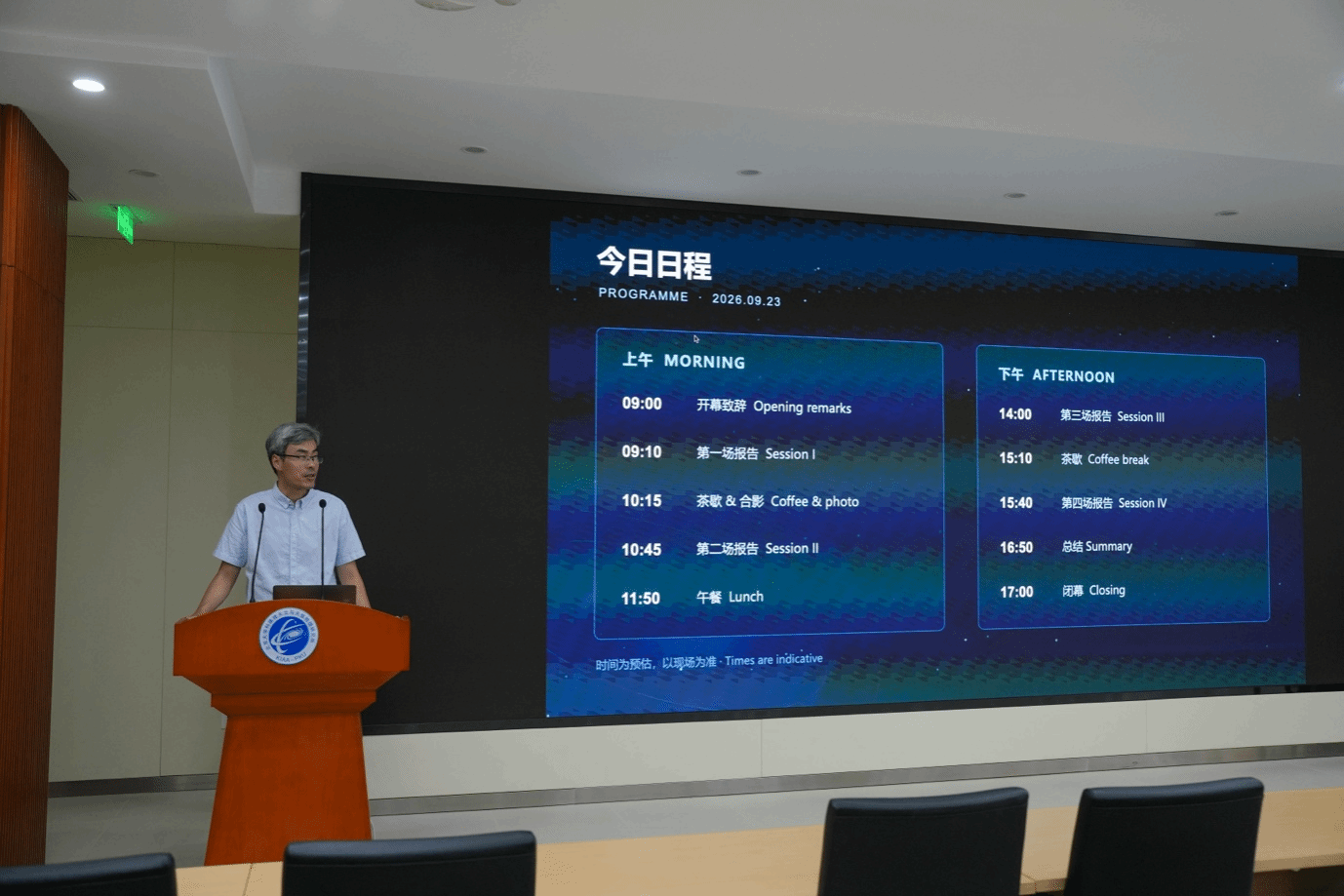
The forum opened at 9 a.m. with remarks by Prof. Xian Chen. Over the day, 21 talks were given, 20 of them by students, arranged in four sessions. Topics ranged from stellar physics and large spectroscopic surveys, through exoplanets and protoplanetary discs, galaxies and active galactic nuclei, black hole accretion and tidal disruption events, to dark matter, pulsars and radio instrumentation, Milky Way structure and X-ray data processing — covering the main research directions of the Department of Astronomy and KIAA. Students from 12 research groups presented their work.
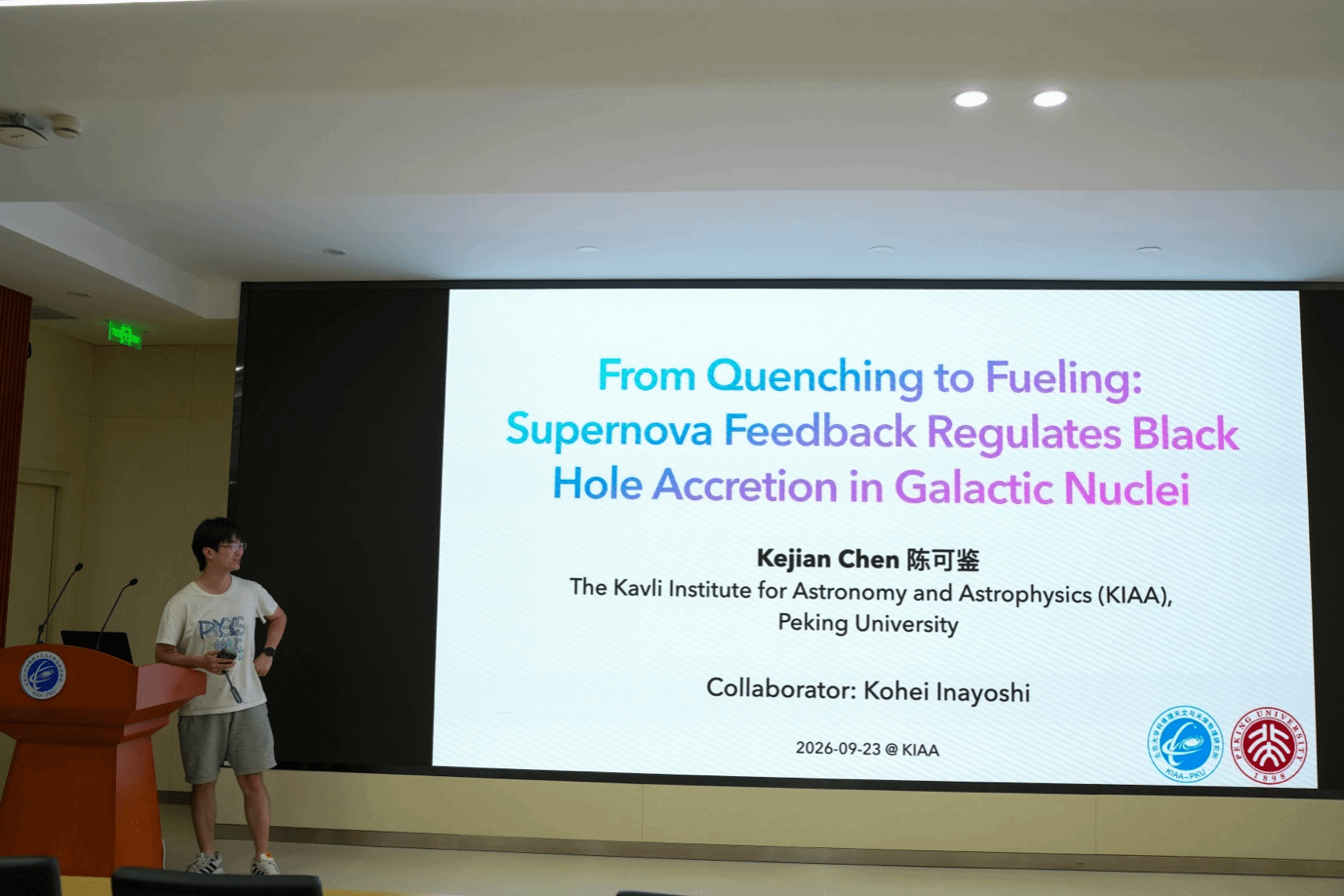
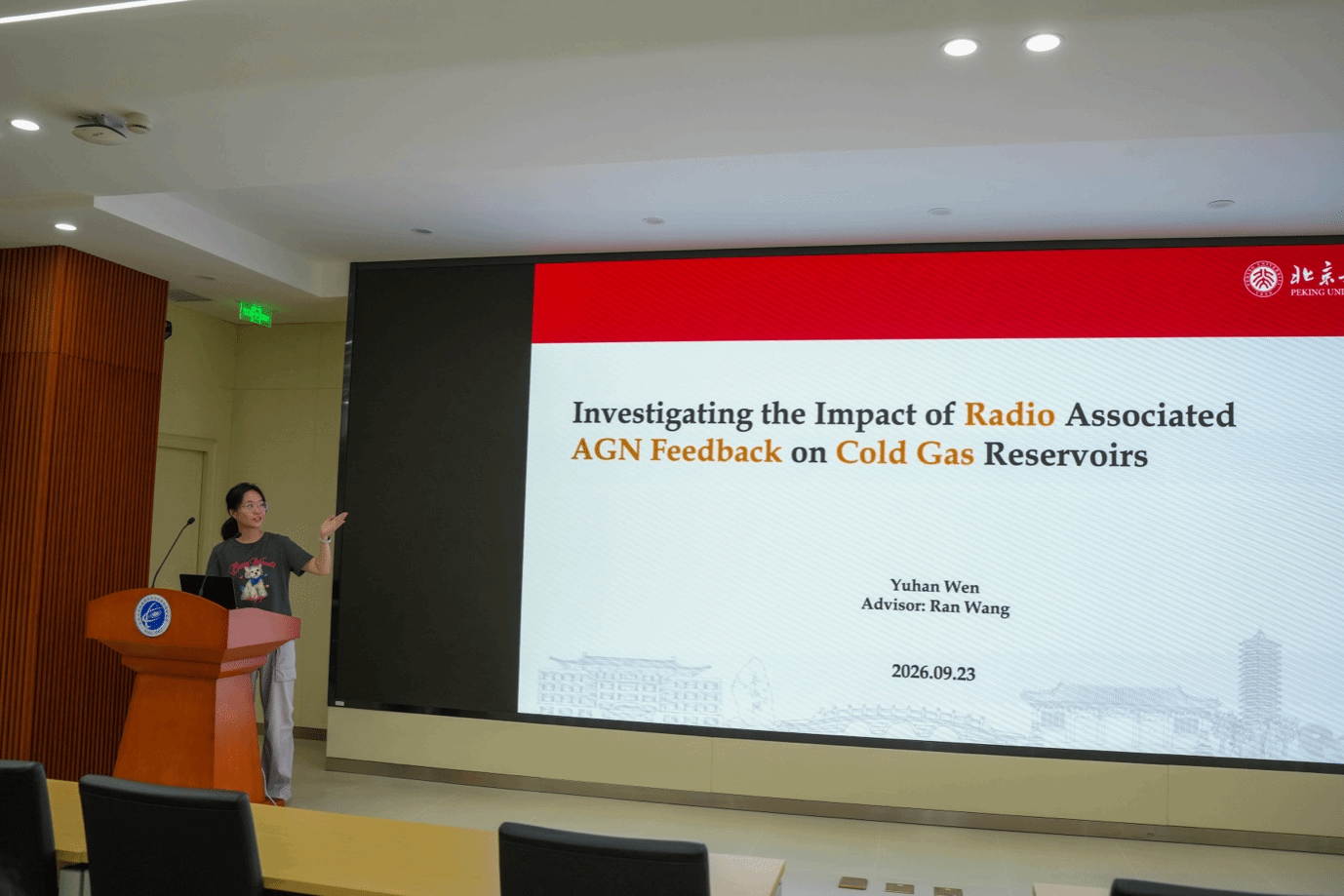
Unlike a conventional scientific talk, the forum's first rule was that the group next door should be able to follow. Speakers addressed an audience outside their own field, kept jargon to a minimum and focused on the questions themselves. Each slot lasted 13 minutes including questions, keeping the day brisk. The titles showed plenty of wit: one speaker asked whether starspots should take the blame for lithium dispersion; another borrowed the Chinese fable of Mencius' mother moving house three times to ask whether environment shapes the growth of AGN; one explained how to turn two million seconds of Chandra observations into a single CSV file; and another took the audience to the edge of a black hole's horizon to watch a tidal disruption event.
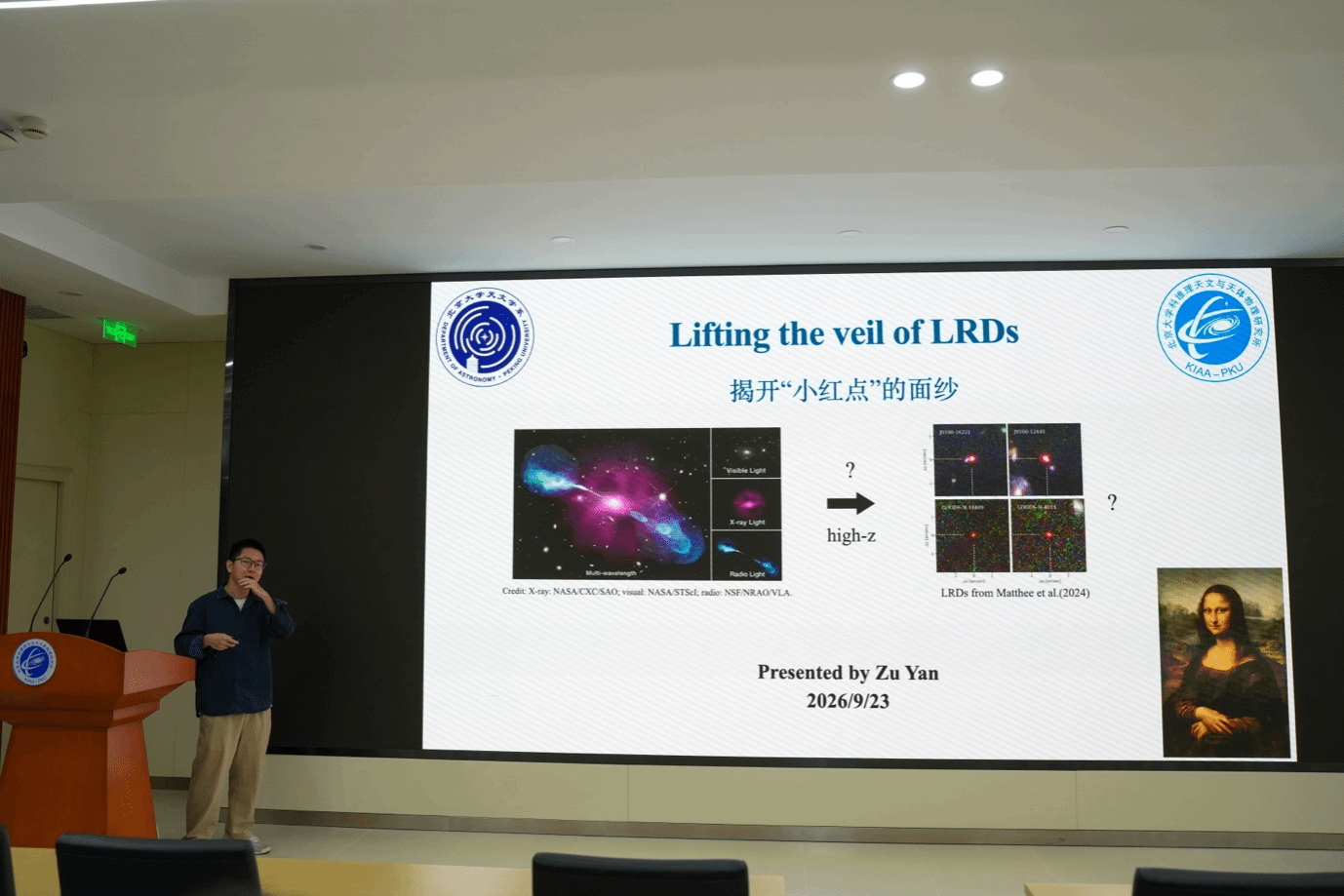
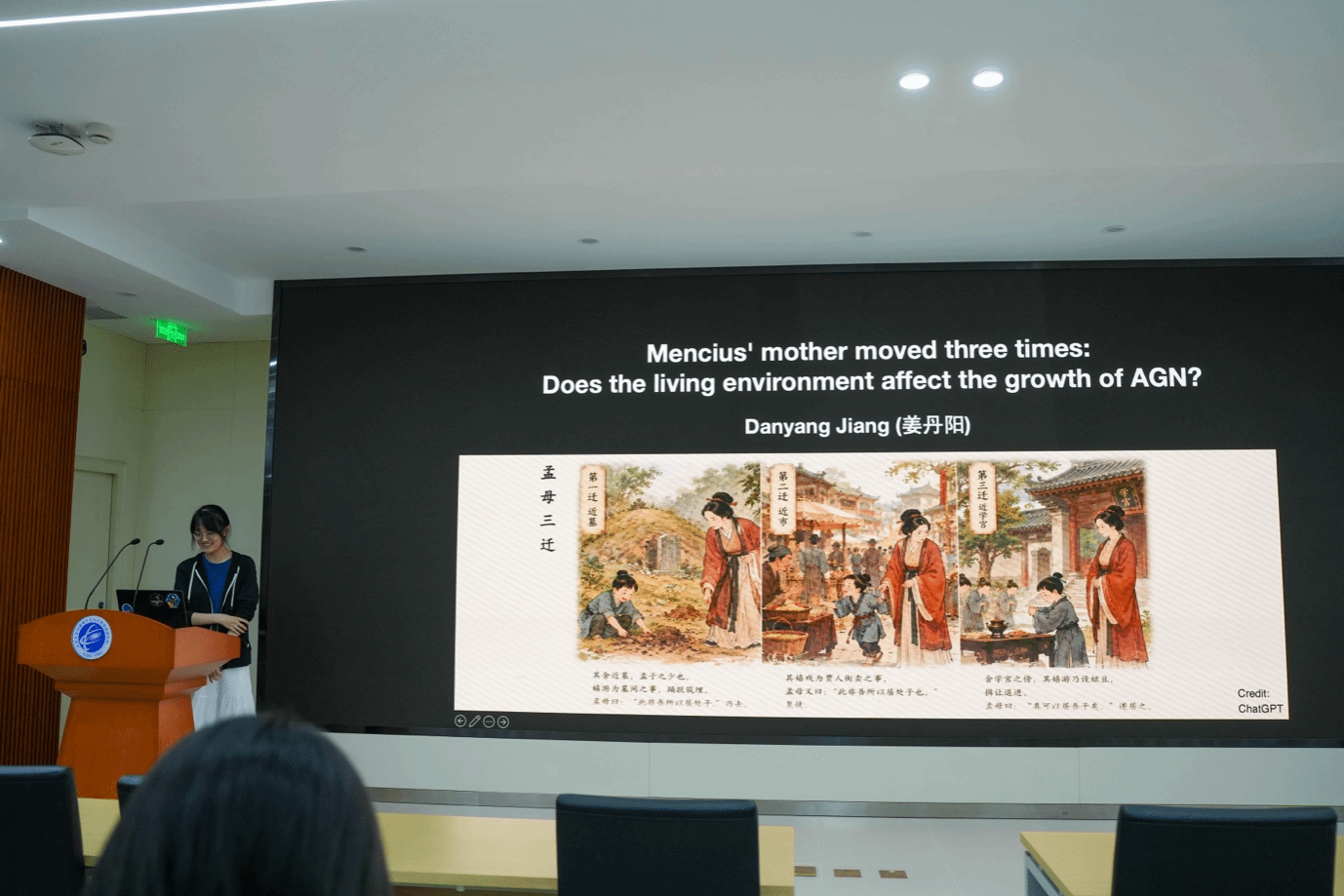
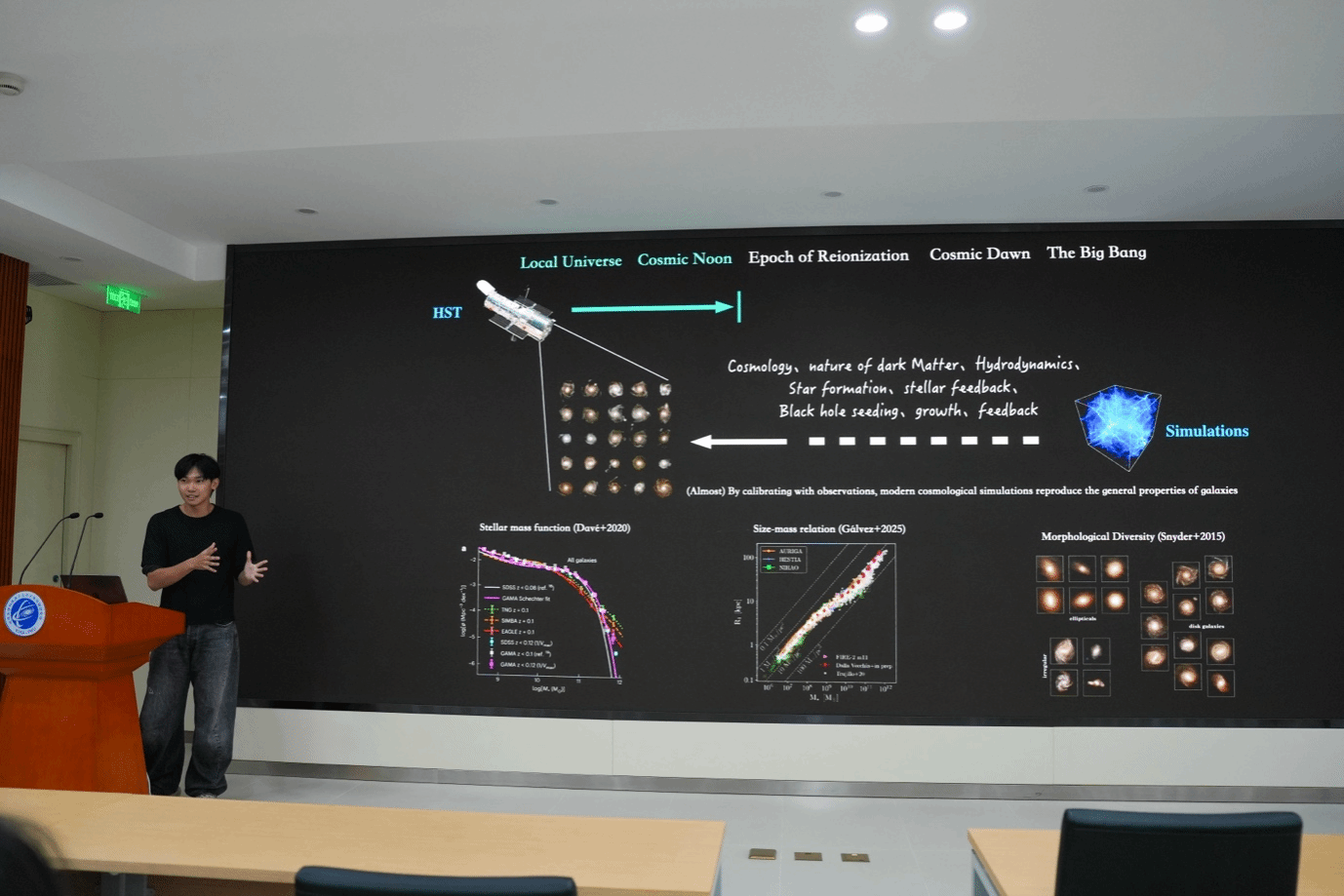
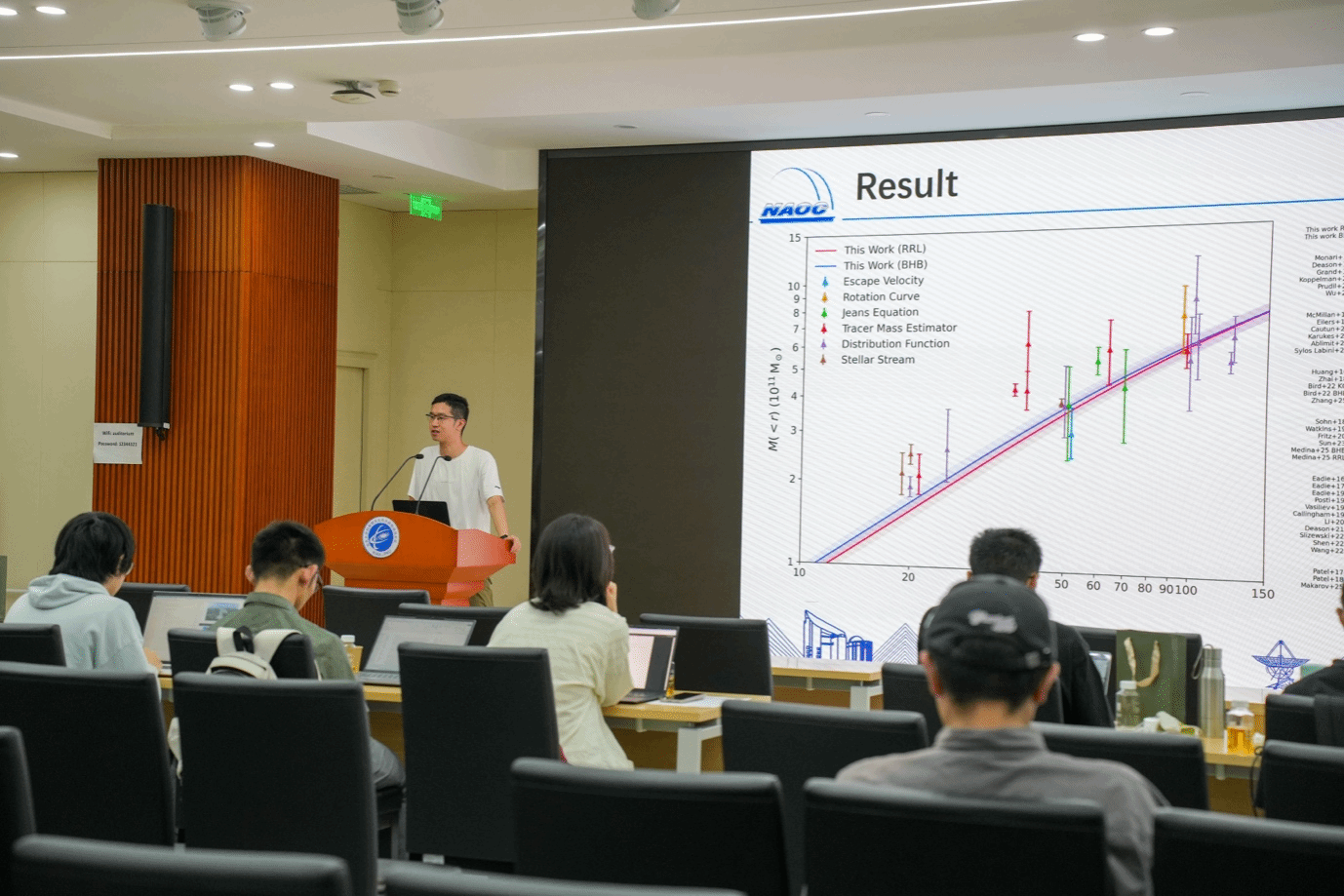
In the third session, the forum welcomed invited speaker Xiangyu Li from the National Astronomical Observatories of the Chinese Academy of Sciences, who presented work on measuring the mass of the Milky Way with RR Lyrae and blue horizontal-branch stars.
The two 30-minute coffee breaks were an official part of the programme in their own right. Students from different groups carried on discussing the talks they had just heard, bringing the questions left over from the stage to the coffee table. A QR-code survey on the programme, “Who Caught Your Eyes?”, let the audience vote for the talks that stood out most, with the results announced at the closing session. About 50 students attended the meeting.
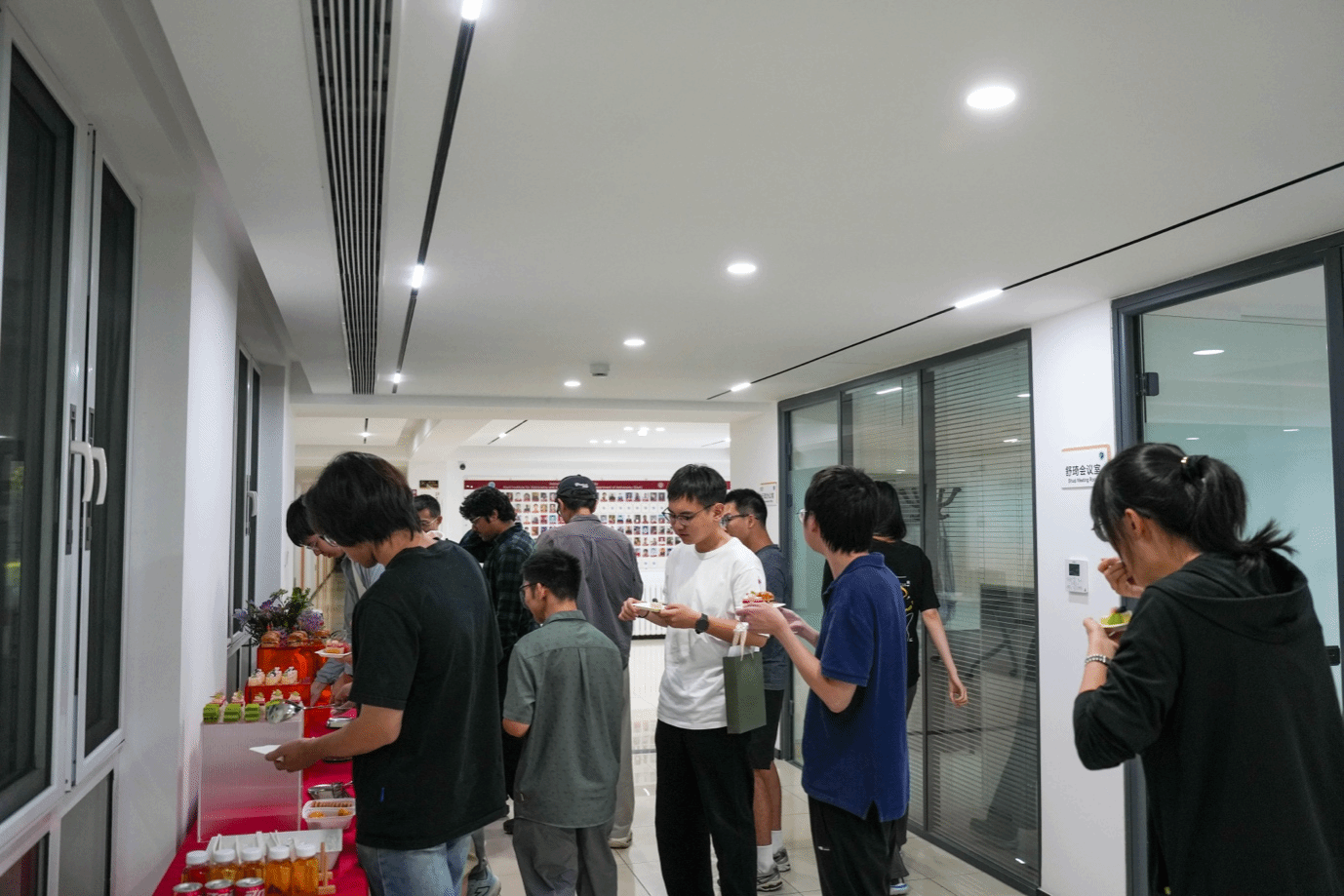
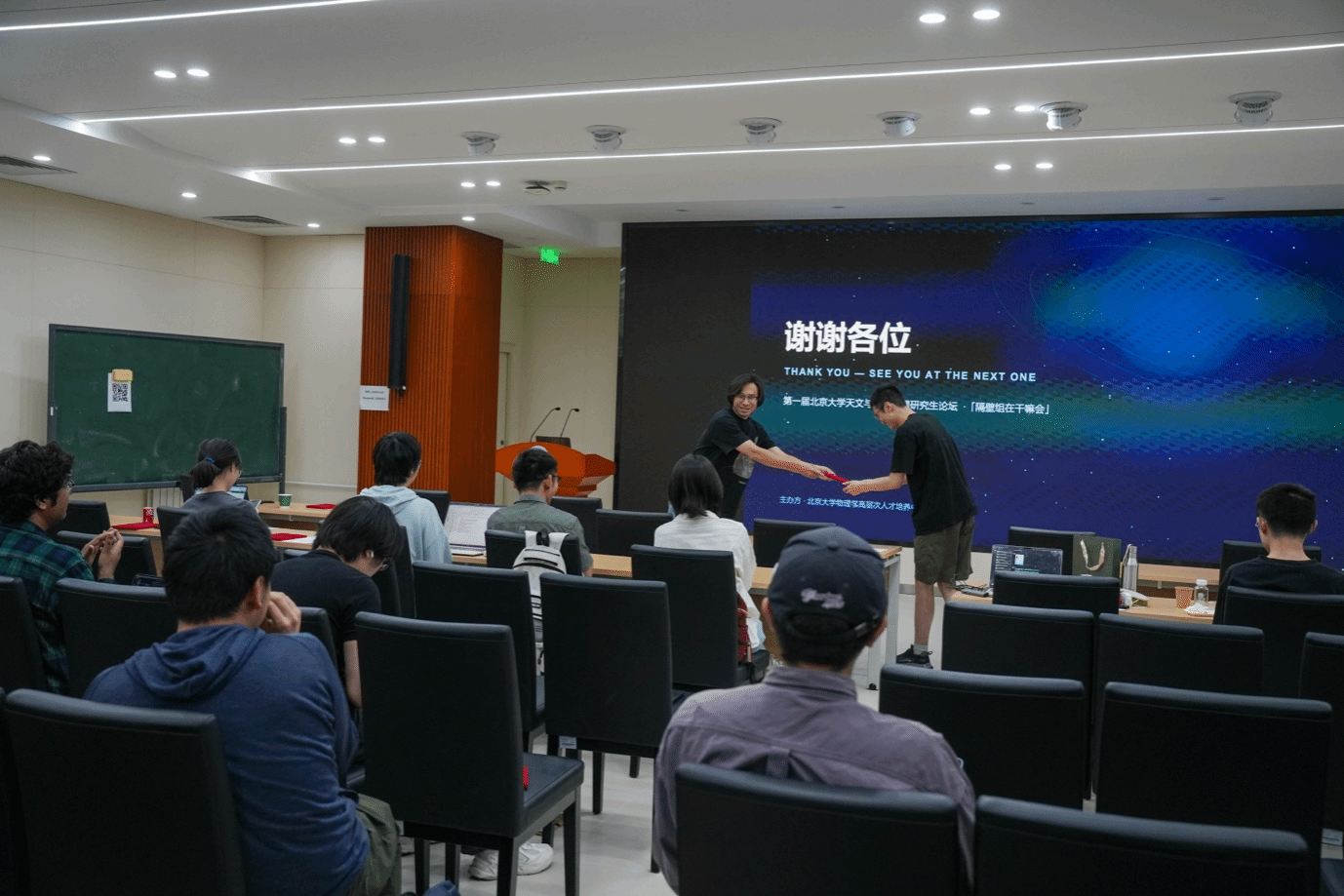
The forum was organised entirely by graduate students. Jinning Liang and Yan Luo led the project, with Danyang Jiang, Kunyao Zhao, Zixuan Zhou and Yukai Zhou on the organising team. Students handled everything from the call for talks and scheduling to publicity and chairing on the day. The organisers hope to make the forum a lasting tradition, so that “What are the other groups doing?” becomes a question worth asking every year.
