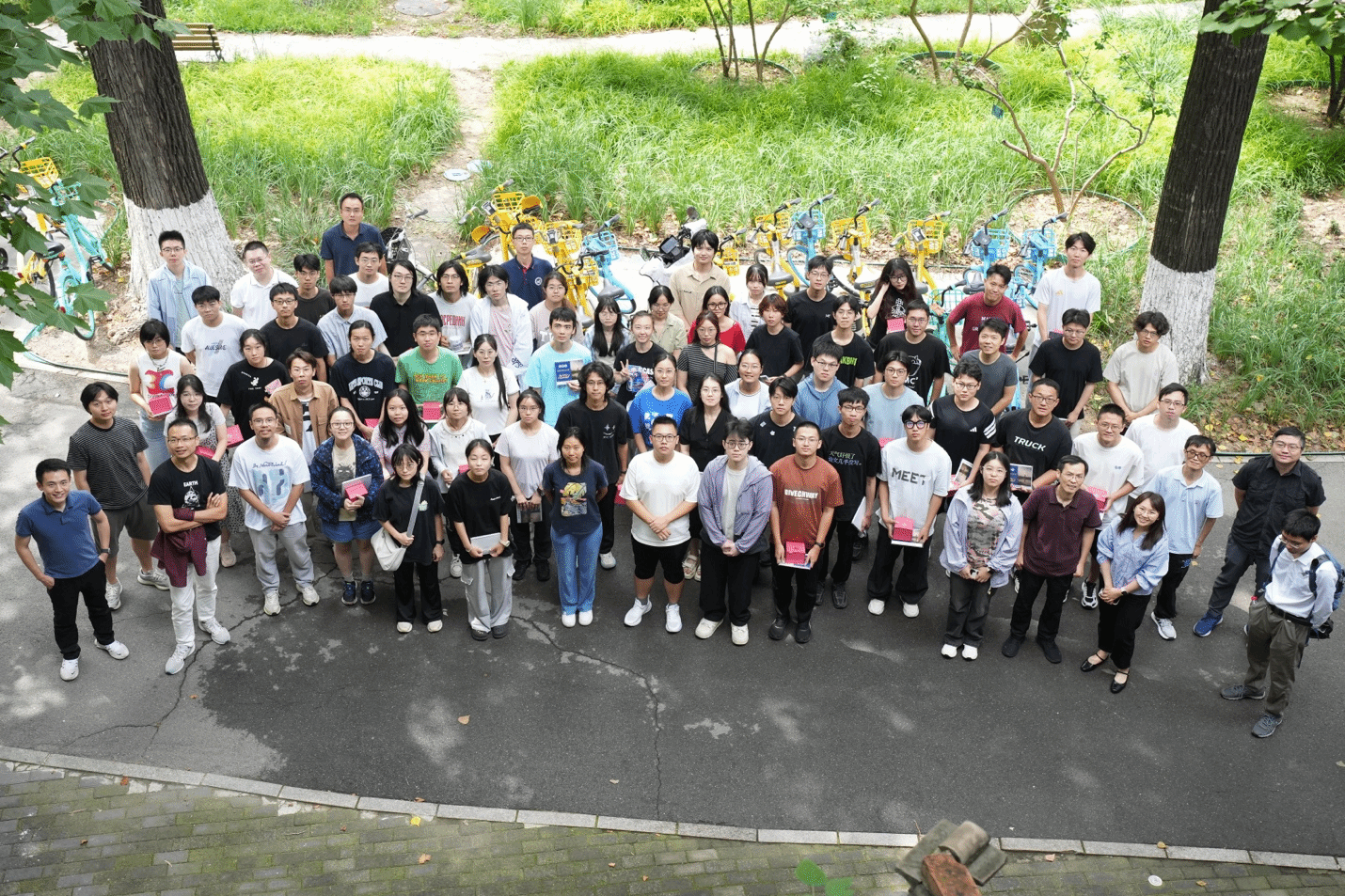
The Kavli Institute for Astronomy and Astrophysics (KIAA) and the Department of Astronomy at Peking University jointly hosted the National Graduate Summer School on Planet Formation and Circumstellar Disks from July 20-24, bringing together approximately 80 participants from universities and research institutes across China. The event aimed to help young scholars develop a systematic understanding of the fundamental theories, frontier observations, and principal research methods in the study of planet formation and circumstellar disks, and to promote academic exchange and collaboration among young researchers in related fields nationwide.
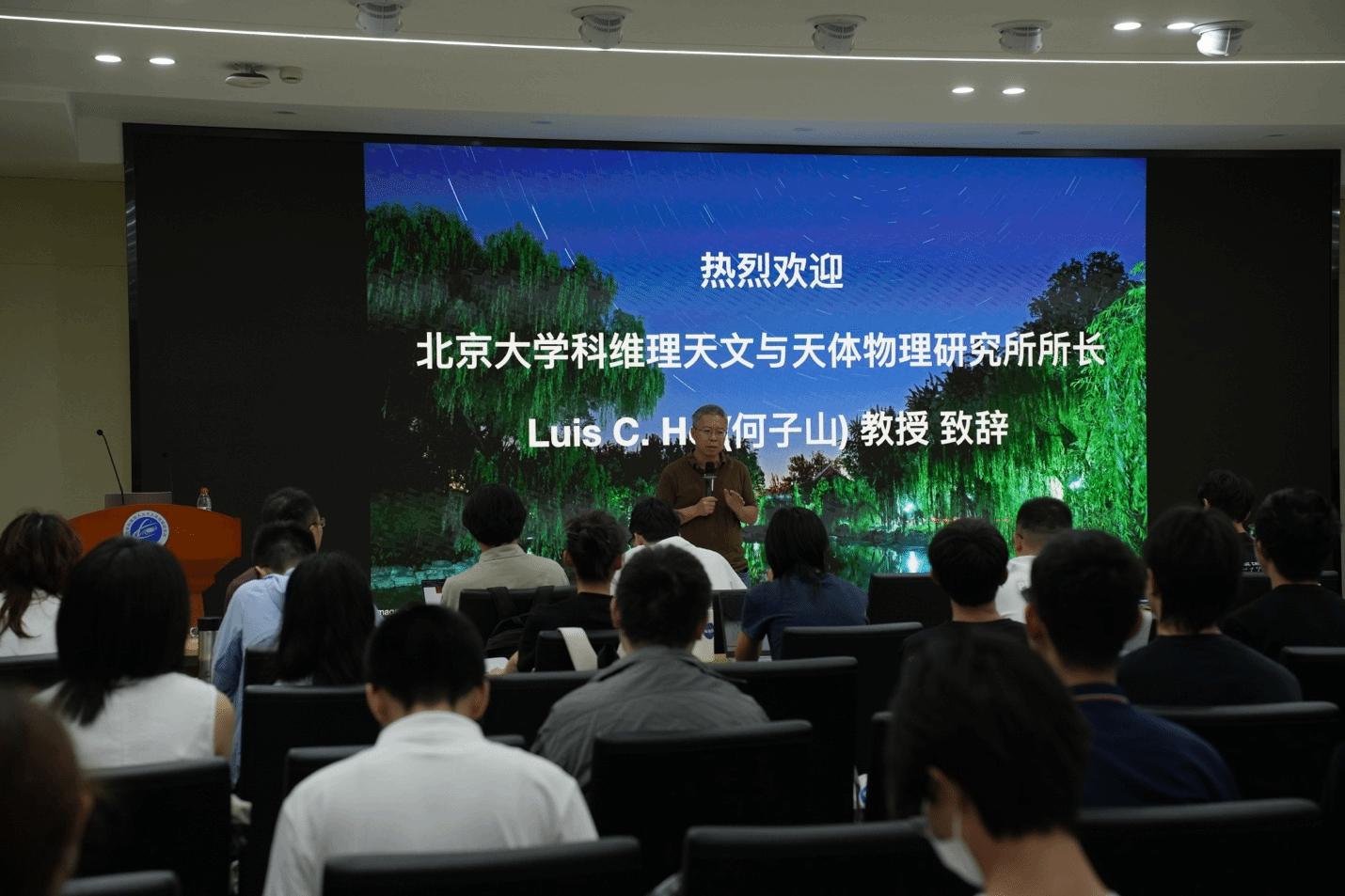
Professor Luis C. Ho of the Kavli Institute for Astronomy and Astrophysics at Peking University first delivered a welcome address. In his remarks, he reviewed the significant progress achieved in recent years in the study of planet formation and circumstellar disks, noting that, as large observational facilities such as ALMA, JWST, and the VLT continue to yield new discoveries, humankind is now observing the birth of planetary systems with unprecedented precision. He emphasized that research on planet formation increasingly requires the close integration of theory, observation, numerical simulation, and artificial intelligence, and expressed his hope that the participants would broaden their academic horizons through the summer school, identify new scientific questions through study and discussion, and build lasting academic connections.
Professor Luis C. Ho delivering the welcome address
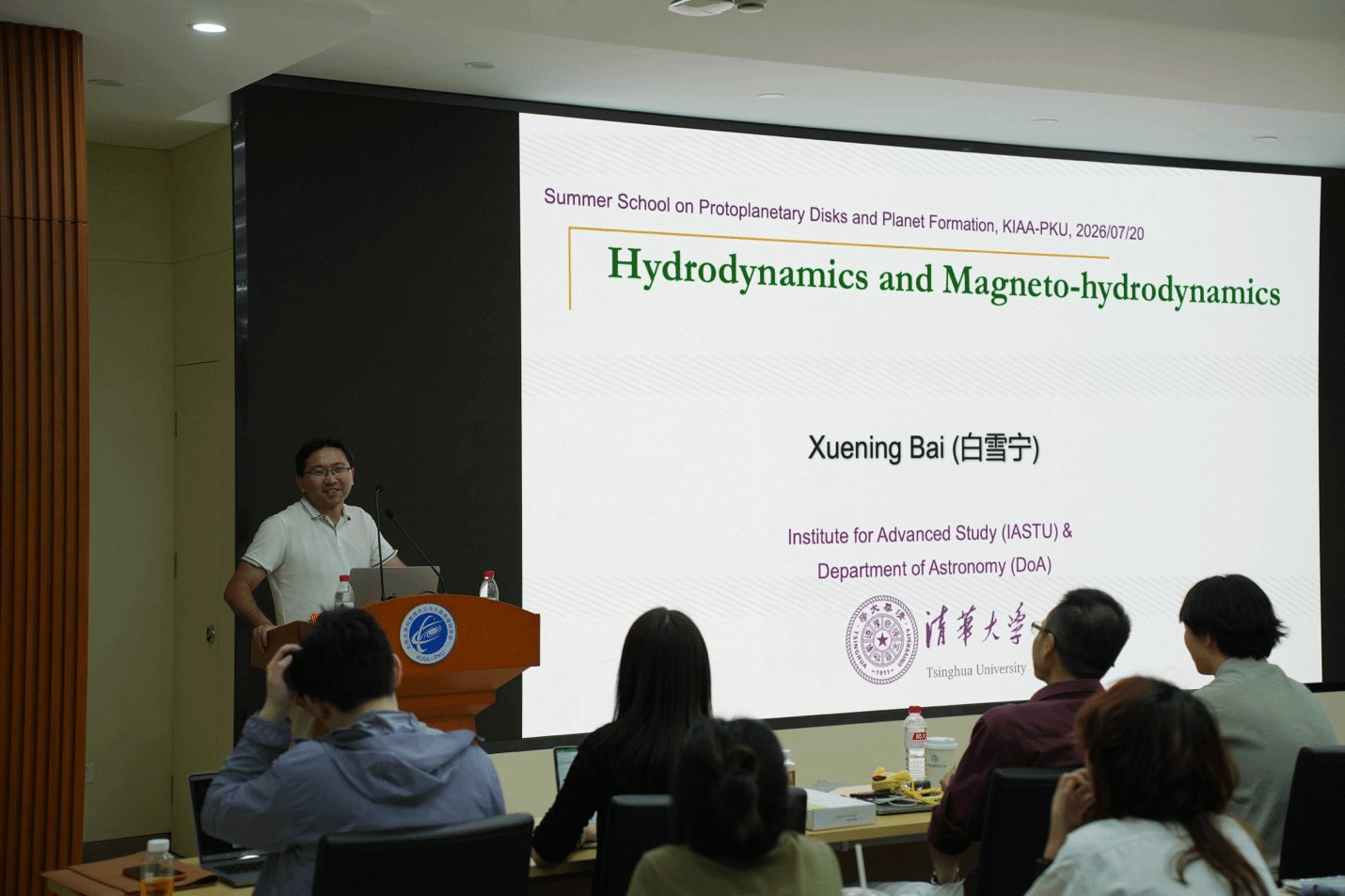
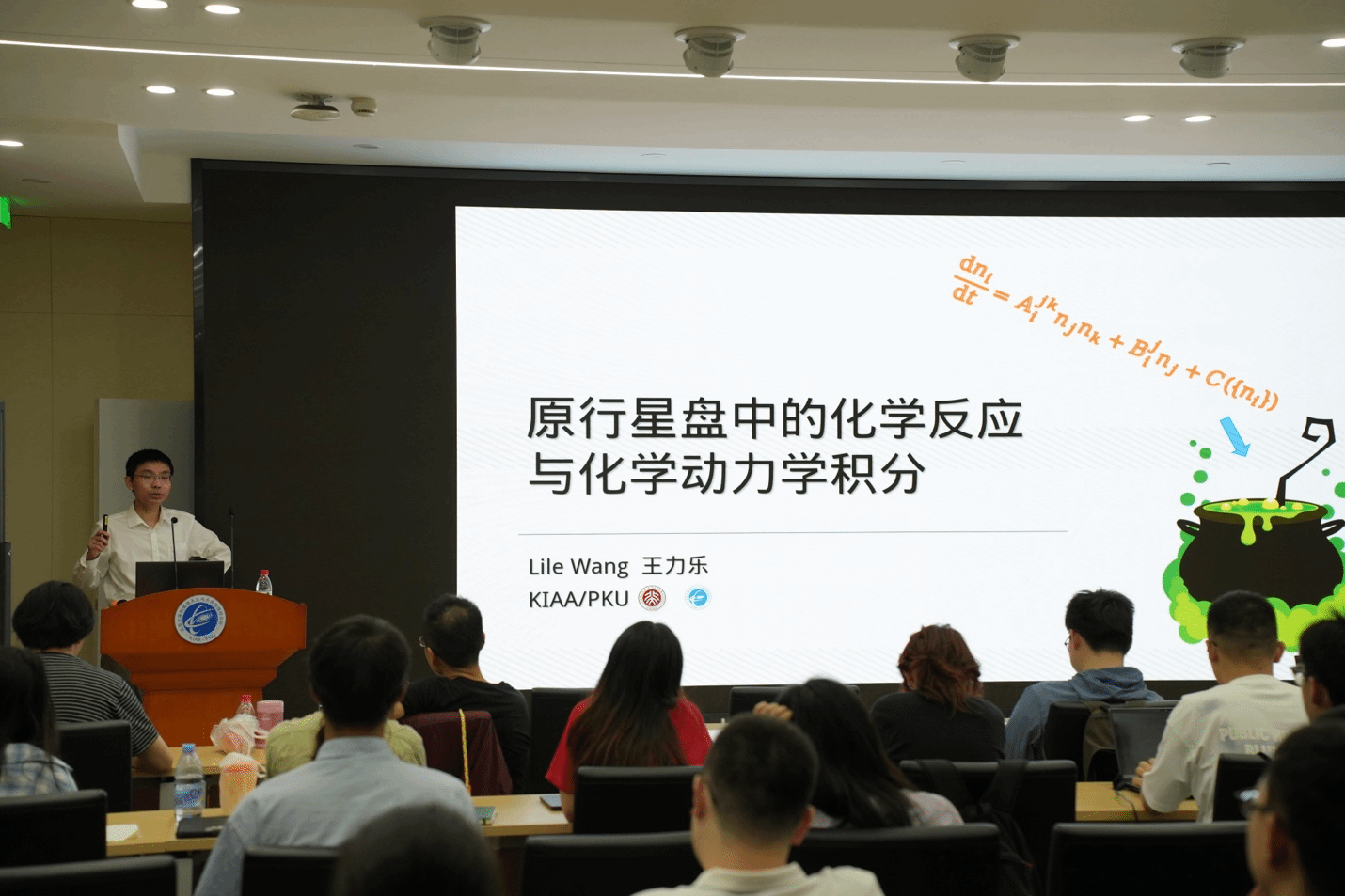
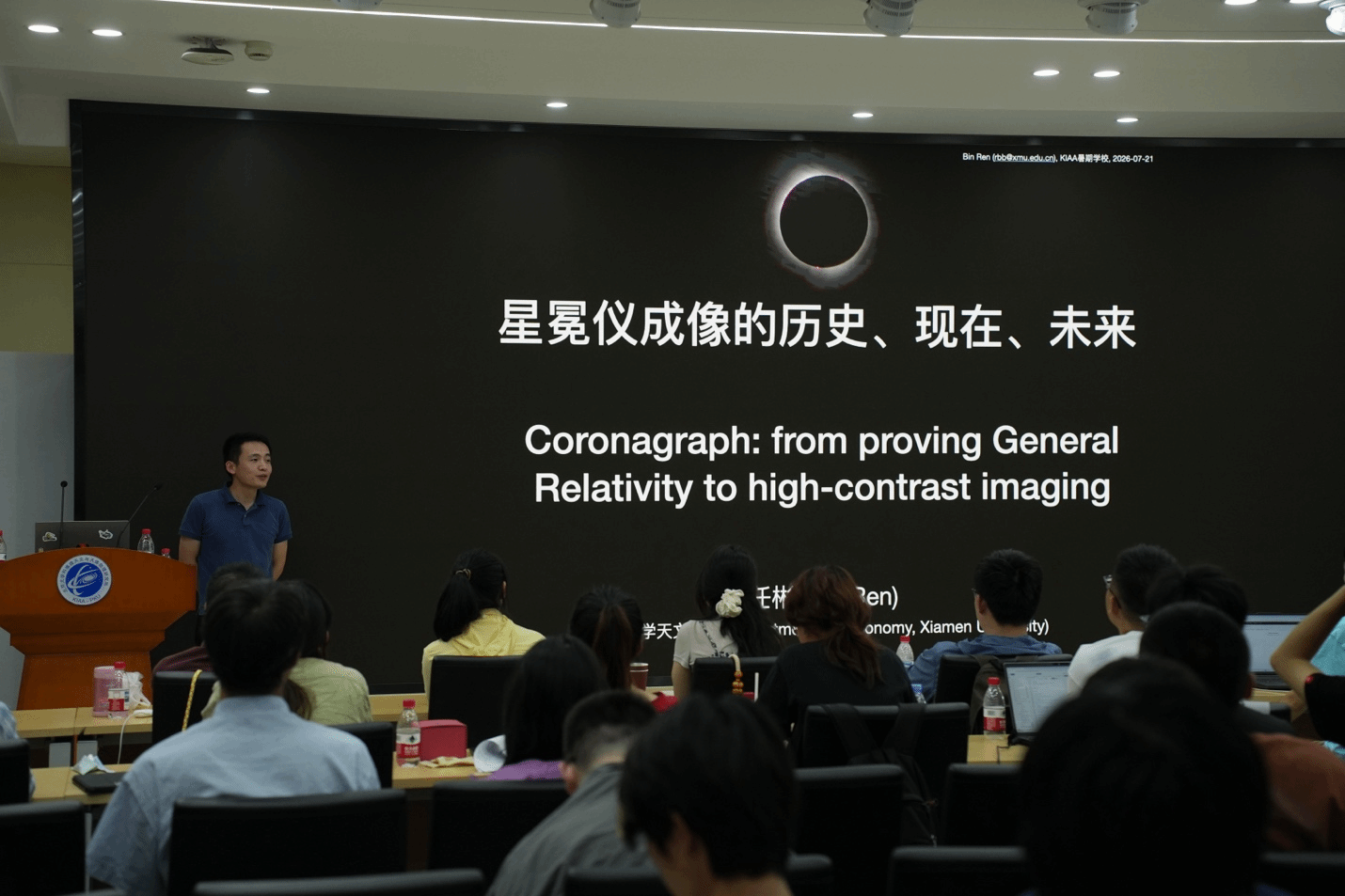
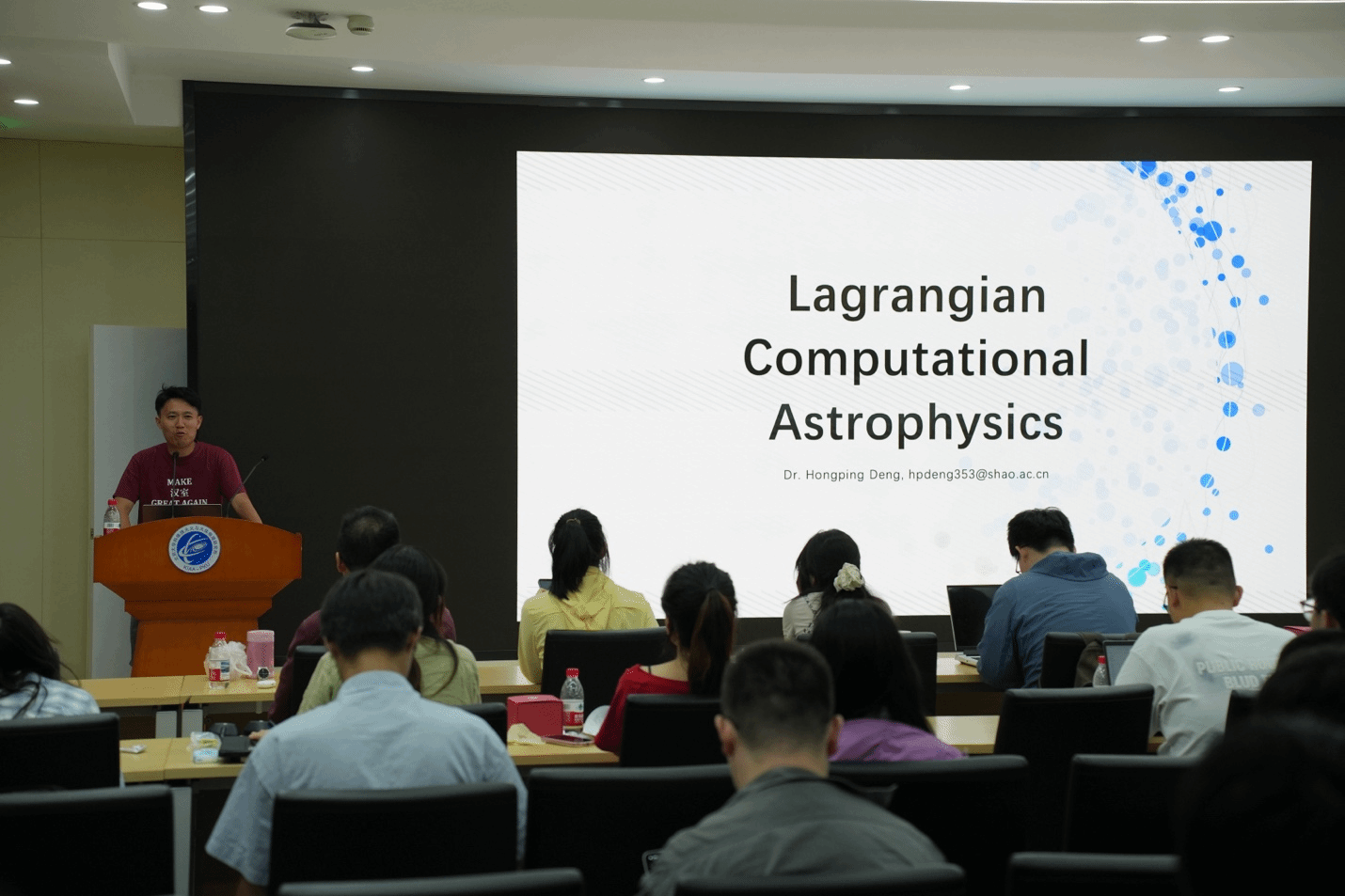
The students at the summer school heard lectures by experts from Peking University, Tsinghua University, the Shanghai Astronomical Observatory of the Chinese Academy of Sciences, the Purple Mountain Observatory of the Chinese Academy of Sciences, Xiamen University, Sun Yat-sen University, Zhejiang University, Southwest Jiaotong University, and Anhui Normal University. The courses covered a broad range of key topics in planet formation and circumstellar disk research, including the formation and evolution of protoplanetary disks, dust growth and planet formation, the dynamical and chemical structure of disks, accretion and jets from young stars, disk–planet interactions, and the orbital and dynamical evolution of planets.
Lecturers used concrete scientific cases to explain research methods such as high-resolution imaging, molecular line kinematics, radiative transfer, disk structure modeling, and hydrodynamical numerical simulations. With regard to observations and research methods, the lecturers introduced the application of advanced observational facilities, including ALMA, JWST, VLT/SPHERE, and Subaru/SCExAO, to the study of circumstellar disks. The courses also presented applications of machine learning to astrophysical data analysis and model construction, demonstrating the opportunities that these new approaches bring to planet formation research. Lecturers from different research areas further introduced the latest scientific advances in their respective fields, enabling the participants to gain a more systematic understanding of the full process of planet formation, from stellar accretion and disk evolution to the birth of planets.
From upper left to lower right: lecturers giving their talks
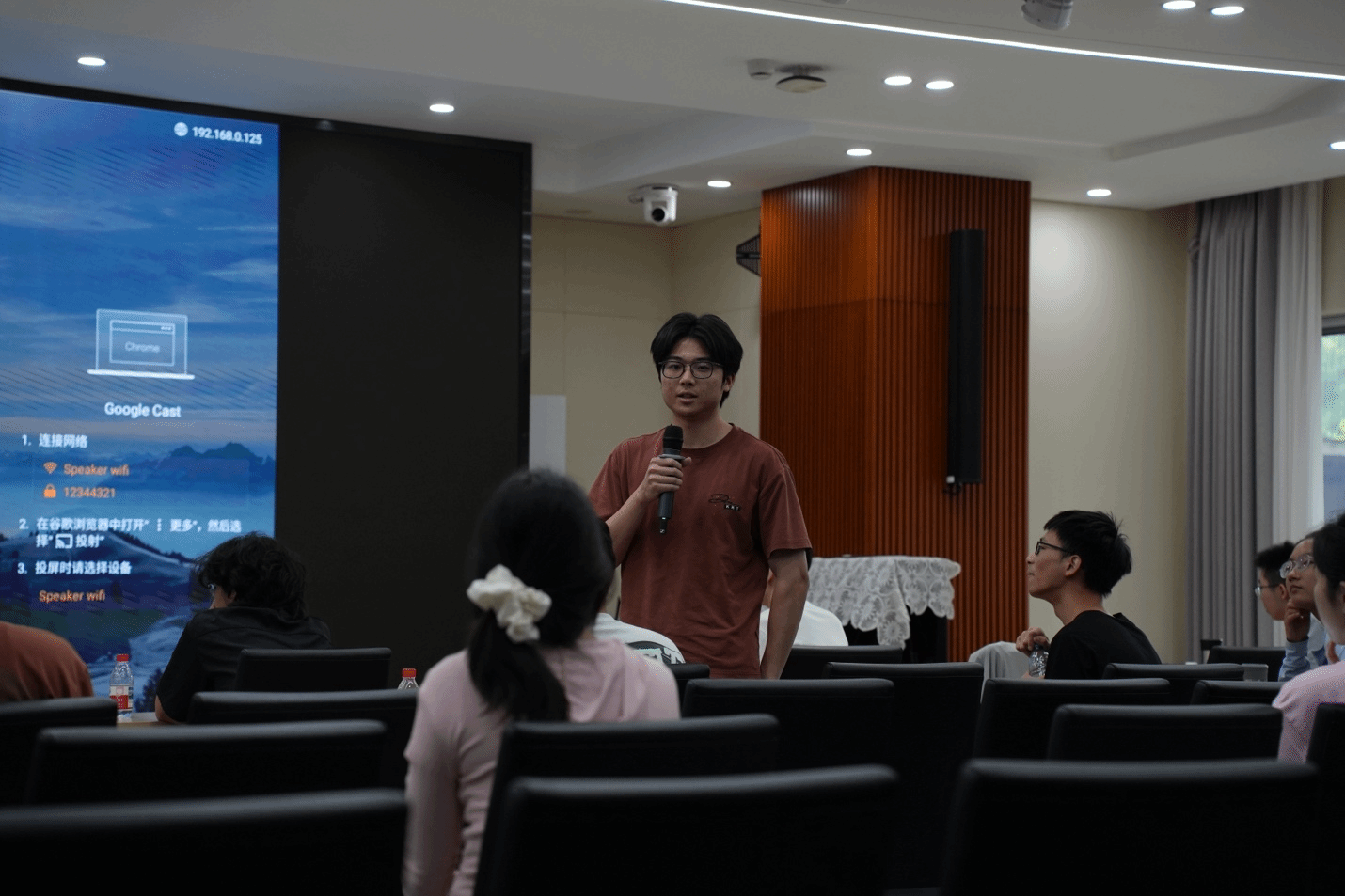
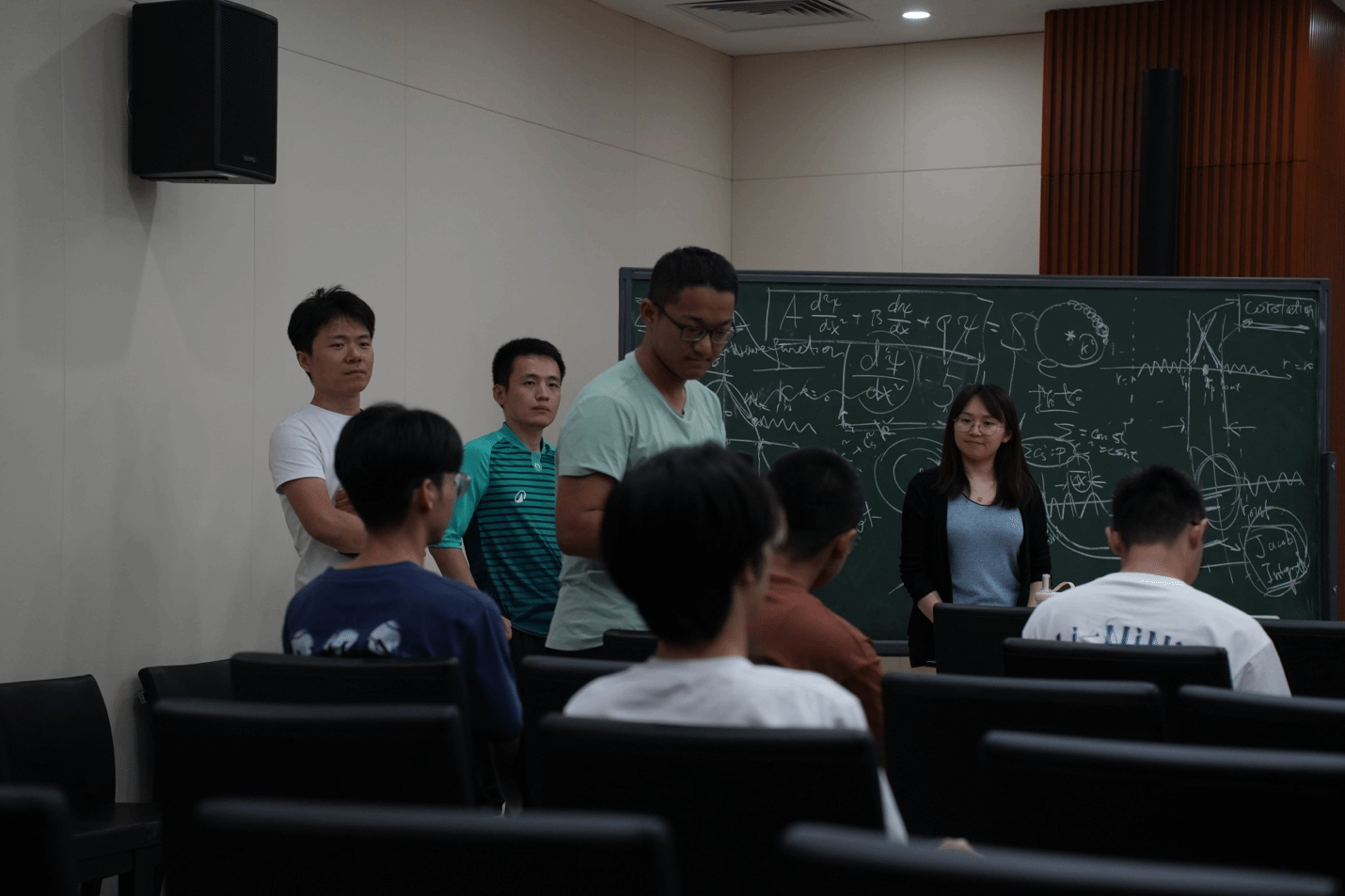
Beyond the classroom lectures, the participants, analyzed high-resolution images and molecular line data of circumstellar disks and held discussions on the rings, gaps, spiral arms, and asymmetric structures observed in disks, under the guidance of faculty members and teaching assistants. In group work, participants from diverse research backgrounds set out from observational phenomena to formulate scientific questions and to explore corresponding theoretical interpretations and research strategies.
Participants in group discussions, exchanging ideas with the lecturers
The summer school was supported by the “Innovation Program” for graduate students of Peking University, whose funding is gratefully acknowledged.
Group photo of the summer school